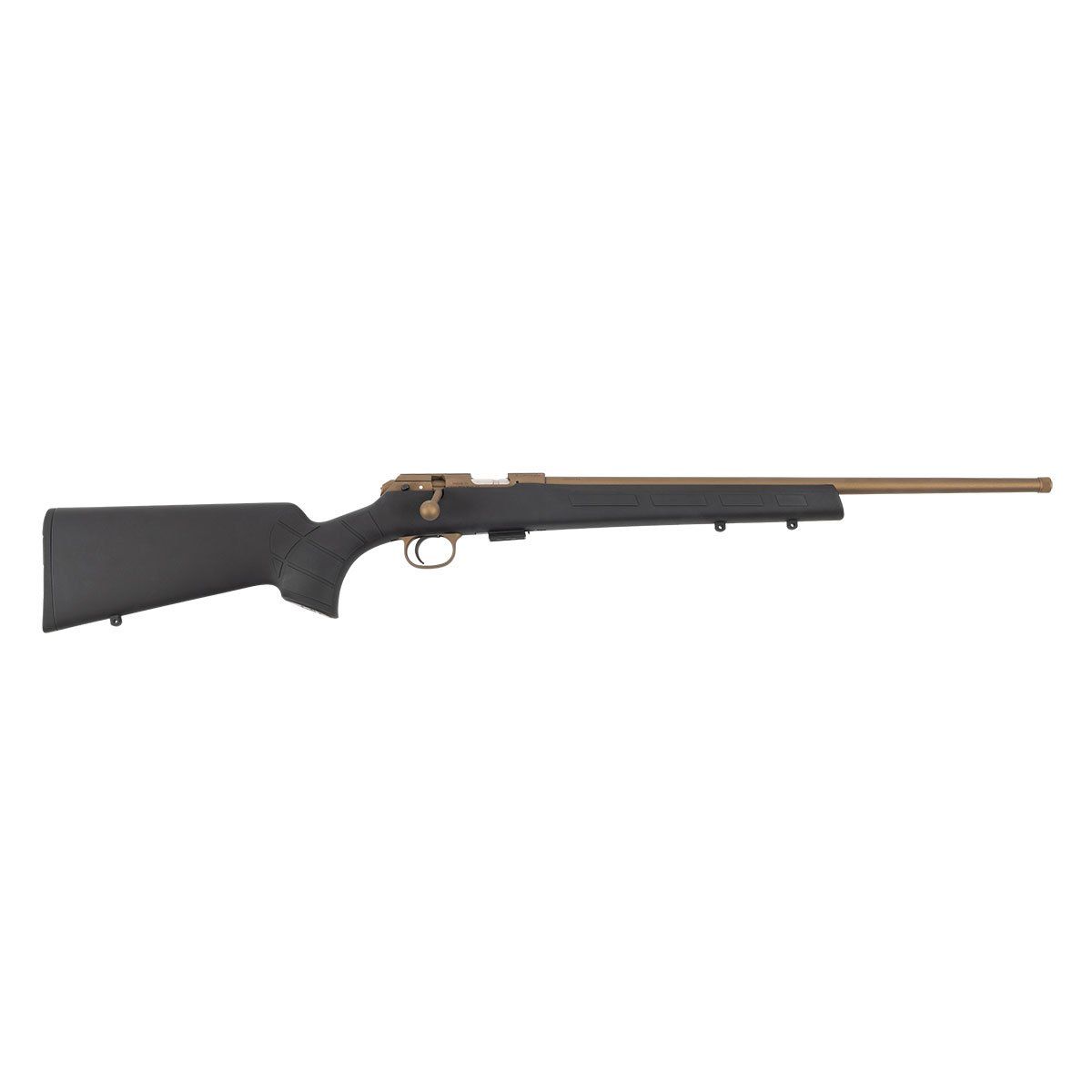
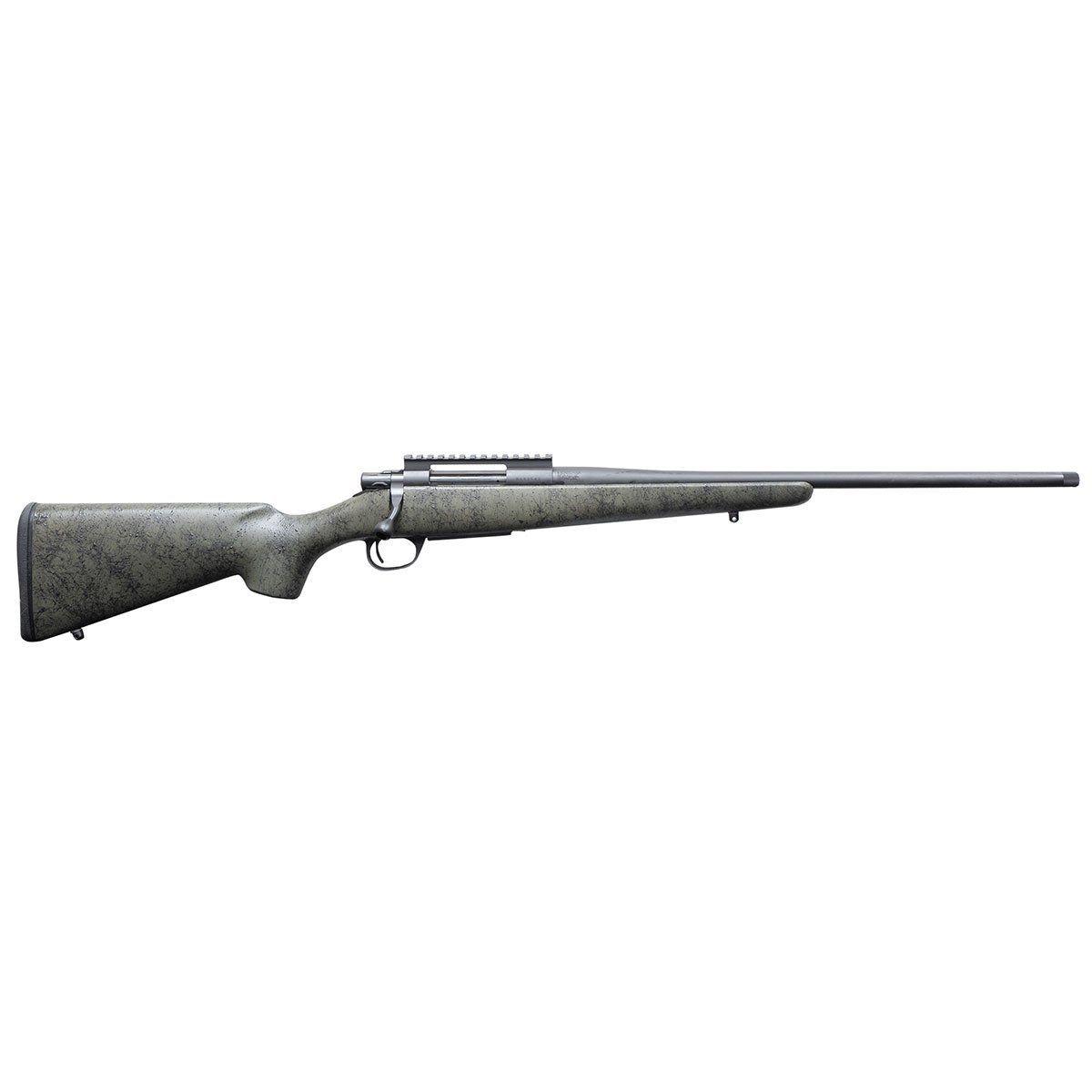
Suppressor-ready is a marketing phrase with one guaranteed meaning: the muzzle has threads on it.
Everything else that determines whether a given gun works well with a can is usually absent from the listing. Thread pitch, sight height, gas system behaviour, twist rate and barrel contour all matter, and a rifle can be advertised as suppressor-ready while being awkward with every suppressor you might reasonably mount on it.
Thread pitch is the first thing and the most commonly wrong
A threaded muzzle is useless if the threads do not match the mount.
Two traps live here. The first is 1/2x28 against 1/2x36, which are close enough to start threading and different enough to ruin both parts. The second is left-hand metric threads on imported rifles, which will not accept a domestic mount at all without an adapter.
Invalid Date
More Articles
What "Suppressor-Ready" Actually Means | GunsNation
Read the thread specification, not the phrase "threaded barrel". If a listing does not state the pitch, that is a question for the seller rather than an assumption.
What a suppressor does to a semi-automatic
Bolt actions and lever actions are simple hosts because nothing about the action depends on gas pressure. Put a can on the front and the gun does not care.
A gas-operated semi-automatic does care. A suppressor holds pressure at the muzzle for longer, which raises back pressure through the gas system. Three things follow.
The action cycles faster and harder than it was tuned for, which increases wear and can cause ejection and feeding problems that were not there before.
More gas comes back toward the shooter, out of the ejection port and along the charging handle. On rifles this is the difference between pleasant and unpleasant, and it is why gas is the most discussed topic in suppressed shooting.
Timing changes enough that some rifles need an adjustable gas block, a heavier buffer, or both. A rifle sold as suppressor-ready may or may not include any provision for this, and an adjustable gas block is the single most useful thing to look for on a semi-auto intended to run suppressed.
None of this applies to a manually operated gun, which is why bolt guns, lever guns and pump shotguns punch above their weight as suppressor hosts.
Your iron sights will disappear
A suppressor is a tube of substantial diameter mounted directly in front of the front sight. On a great many rifles it simply blocks the sight picture.
The answer is suppressor-height sights, which are tall enough to see over a can, and they are worth checking for before purchase rather than after. Some rifles marketed as suppressor hosts ship with them. Most do not.
If the gun wears an optic, this matters less, but the backup irons behind it stop being usable.
Twist rate, if you intend to shoot subsonic
Subsonic ammunition is where suppression gets genuinely quiet, because the suppressor can only address the muzzle blast. It cannot do anything about the crack of a bullet going supersonic downrange.
Subsonic loads generally use heavy bullets moving slowly, and heavy bullets need a faster twist rate to stabilise. This is most acute in .300 Blackout, where heavy subsonic projectiles want a fast twist and a barrel cut for supersonic loads may not stabilise them properly. A rifle intended for subsonic use should have its twist rate checked against the ammunition, not assumed.
In .22 LR the problem mostly does not arise, because standard velocity rimfire is already subsonic or close to it. This is a large part of why a suppressed .22 is the classic first experience.
Barrel contour and handguard clearance
A suppressor is heavier than it looks, and it hangs off the end of the barrel.
On a thin sporter barrel this shifts balance noticeably and adds stress at the muzzle. On a heavy barrel it is less pronounced. Neither is disqualifying, but a light mountain rifle with a can on it handles differently from the rifle you bought.
On rifles with handguards, the suppressor body has to clear the front of the handguard, and on some configurations it does not, particularly with larger diameter cans on carbines. Check the outside diameter of the suppressor against the internal clearance, not the barrel length.
Rimfire is a different maintenance problem
A suppressed .22 is the cheapest and most pleasant way into this, and it is also the dirtiest.
Rimfire ammunition deposits lead and unburnt powder inside a suppressor at a rate centrefire rifle cartridges do not approach. Rimfire suppressors are therefore usually designed to come apart for cleaning, and centrefire rifle suppressors usually are not, because they largely self-clean at higher temperatures and pressures.
If you are buying a rimfire host, buy a suppressor you can disassemble. This is the single practical difference that catches people out.
Direct thread or quick detach
Two ways to attach a suppressor, and the choice is not obvious.
Method
For
Against
Direct thread
Lighter, shorter, fewer parts, cheaper
Slow to move between guns, can loosen under sustained fire
Quick detach
Fast to swap between hosts, repeatable
Adds a muzzle device, more length and weight, more to go wrong
A person with one suppressor and one rifle is usually better served by direct thread. A person with one suppressor and four rifles will want quick detach, and will need a compatible muzzle device on each host, which is a cost that does not appear in the suppressor's own description.
Reading a listing
In order of what actually tells you something:
The stated thread pitch, which is the only piece of information that determines compatibility outright.
Whether the sights are suppressor-height, or whether the gun has an optic mount and you are content with that.
For a semi-automatic, whether the gas system is adjustable.
Twist rate, if subsonic is the point.
Barrel contour and handguard clearance, which decide how the finished thing handles.
The phrase "suppressor-ready" itself, which tells you only that somebody cut threads.
Nick Sawinyh - Nick Sawinyh is a father, husband, hobby farmer, and gun enthusiast from Kentucky. He founded GunsNation and writes most of what appears on this blog.